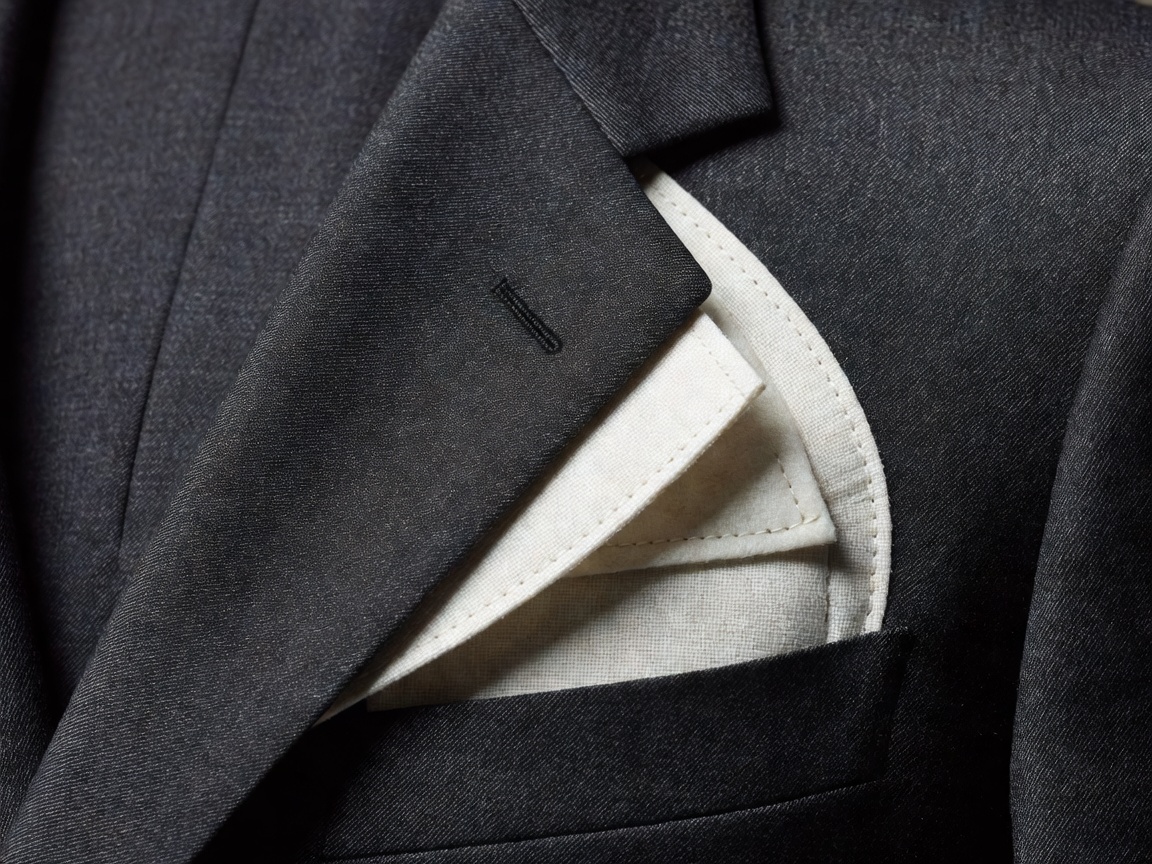
The Architecture of Modern Tailoring: Canvassing, Cuts, and Proportions
A technical investigation into floating horsehair canvas, fused interlinings, British versus Neapolitan shoulder construction, and achieving flawless jacket balance.
Dissecting the physics of bespoke tailoring, the longevity of traditional welted footwear, and the disciplined selection of natural textiles.
Mediamiscenegarden examines men’s fashion through the dual lenses of construction craftsmanship and stylistic longevity. Rather than chasing transient seasonal silhouettes, we explore the permanent benchmarks of gentlemanly dress: balance, drape, fabric density, and proportional harmony.
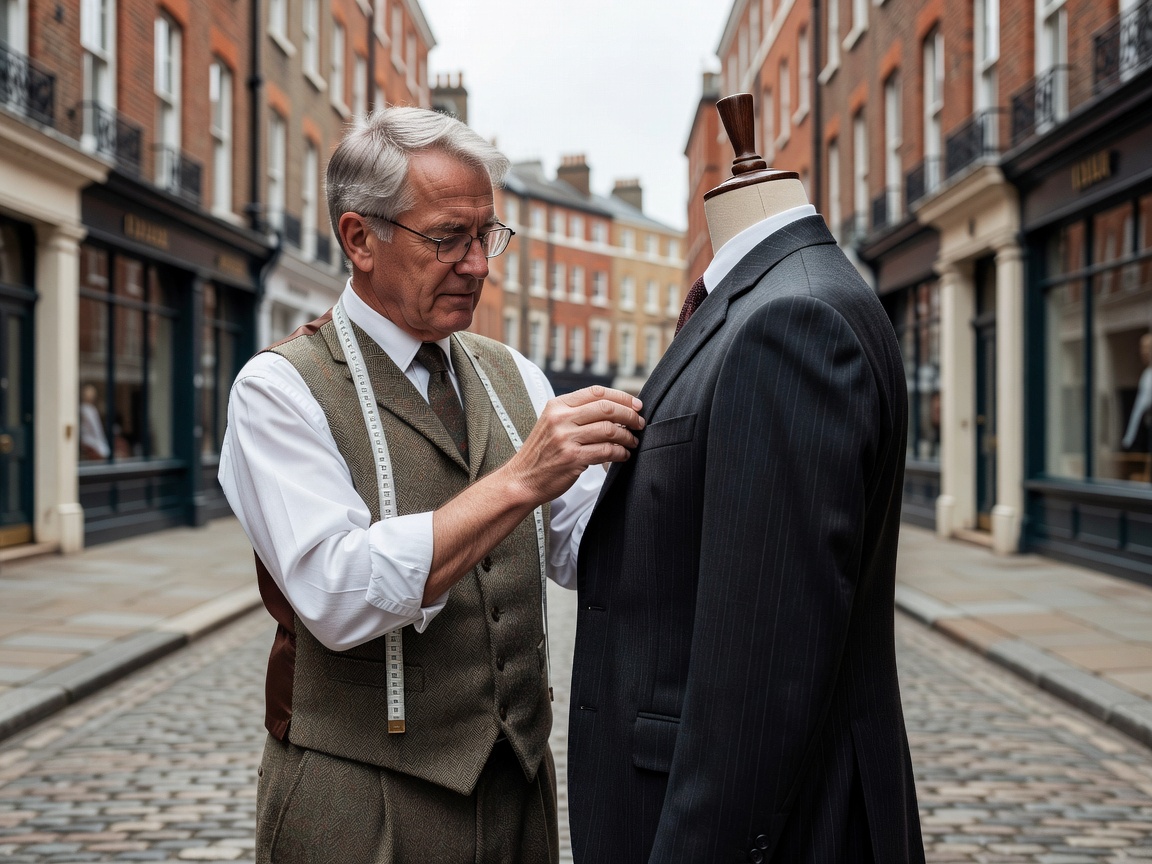
Comprehensive, technical treatises addressing each pillar of classic and contemporary masculine style.
A technical investigation into floating horsehair canvas, fused interlinings, British versus Neapolitan shoulder construction, and achieving flawless jacket balance.
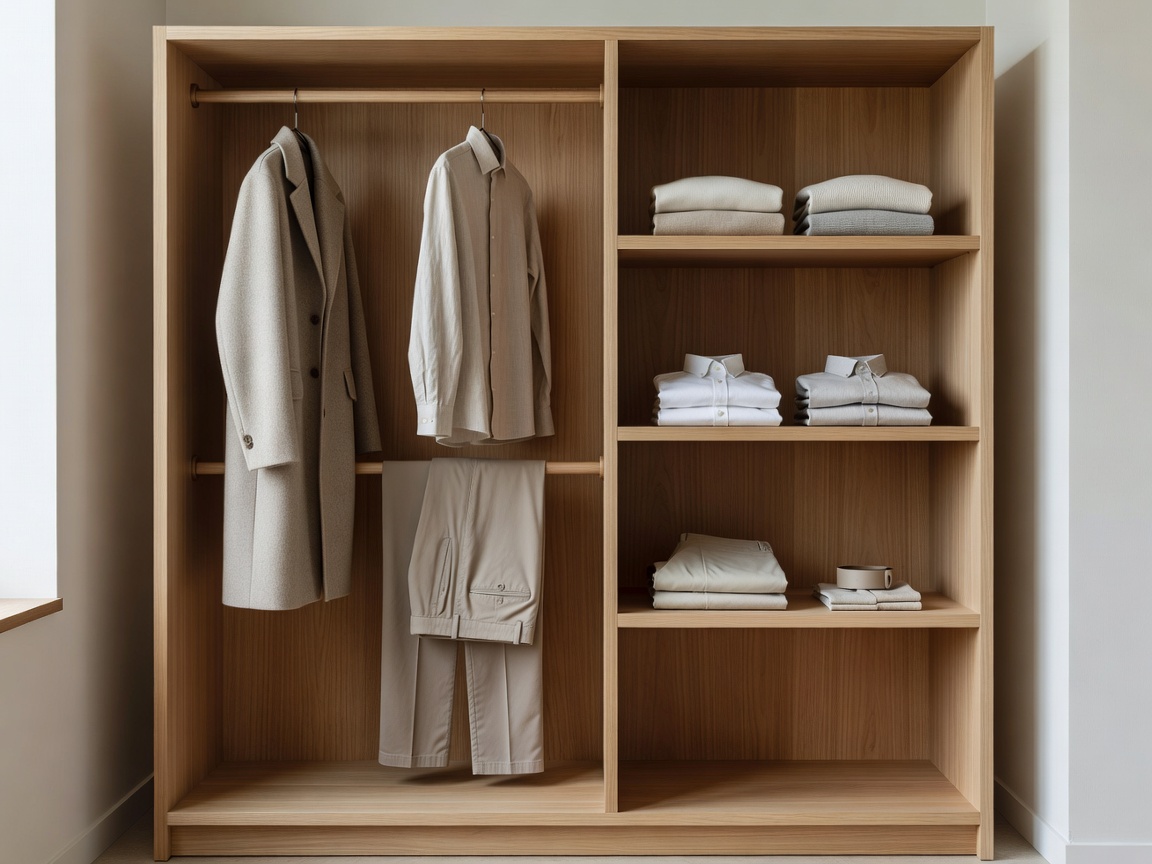
How to engineer an interchangeable wardrobe system that produces over two hundred coherent outfits using disciplined neutral palettes and deliberate fabric layering.
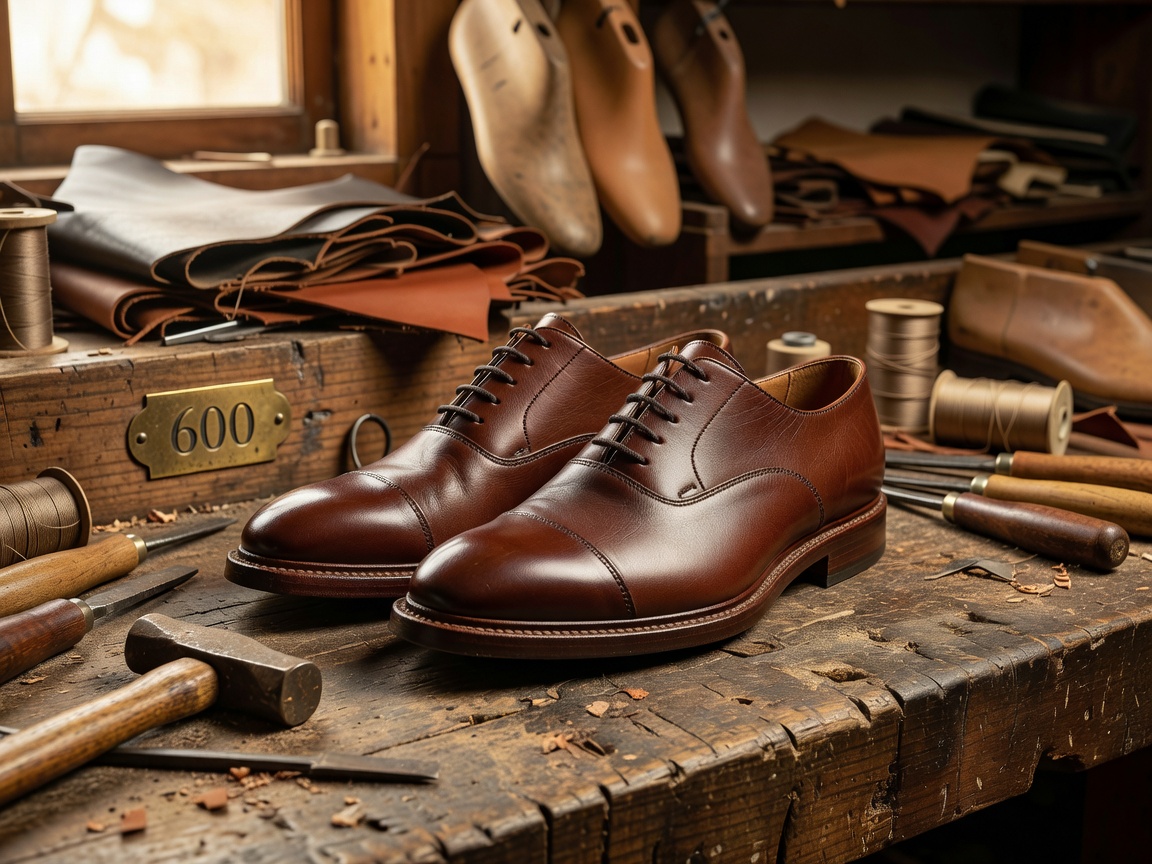
Comparing Goodyear welted, Blake stitched, and Norwegian storm welts alongside full-grain calf, shell cordovan, and French calfskin patina preservation.
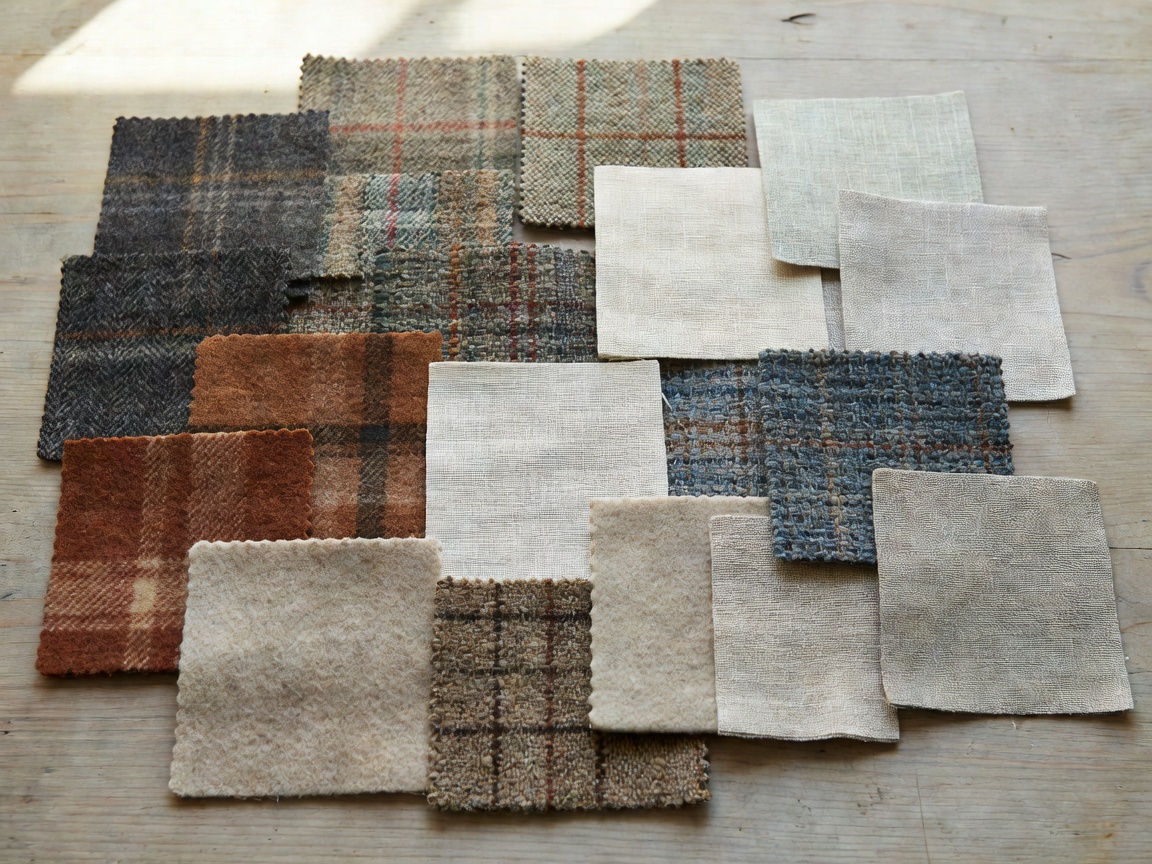
Demystifying Super numbers, worsted yarn twist counts, high-twist tropical wools, and why 340-gram flannel remains the undisputed king of winter drape.
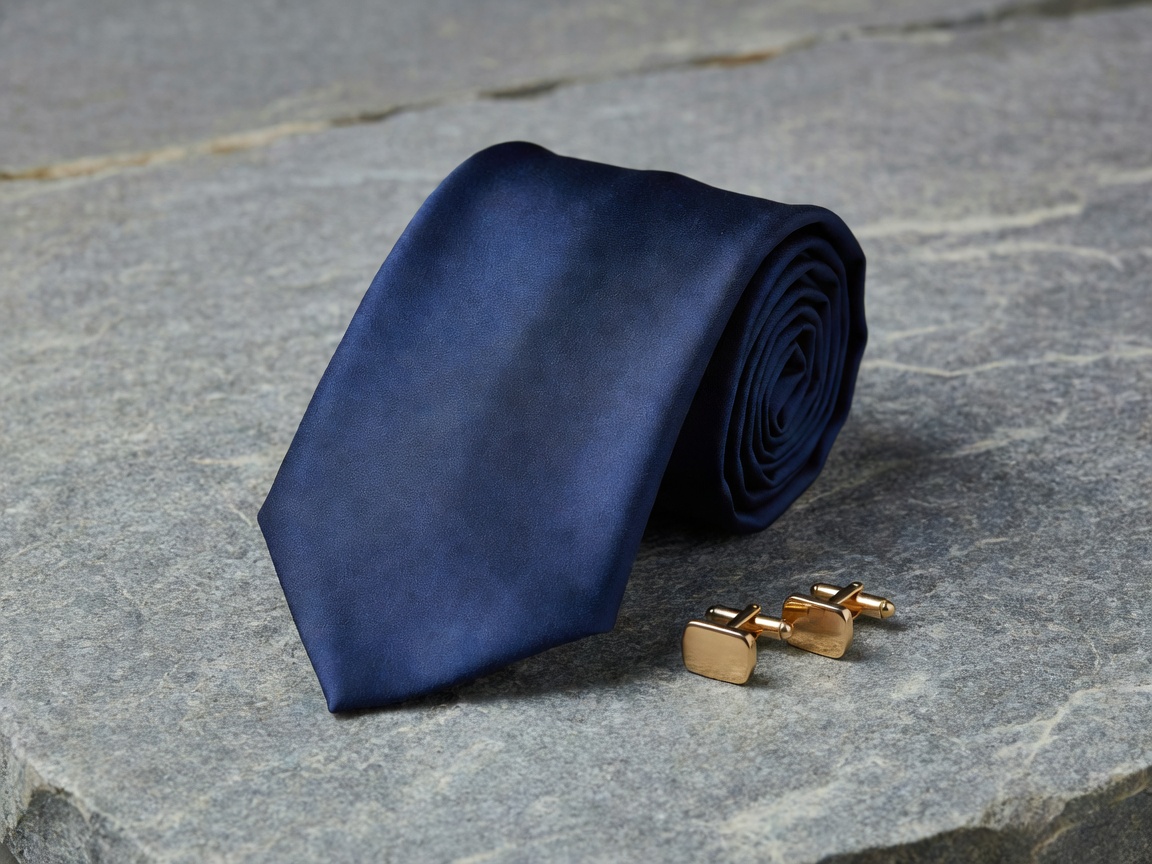
The definitive rules for seven-fold silk neckties, hand-rolled linen pocket square folds, optical balance, and strict hardware metal matching.
Before purchasing or commissioning any menswear garment, evaluate its construction across these three non-negotiable parameters.