A tailored jacket is not merely a garment; it is a three-dimensional structural sculpture engineered to drape effortlessly over an asymmetrical human body. While outer fabric draws immediate visual appraisal, the internal architecture determines whether a jacket retains its shape over decades of wear or collapses into stiff, bubbling distortion after routine dry cleaning.
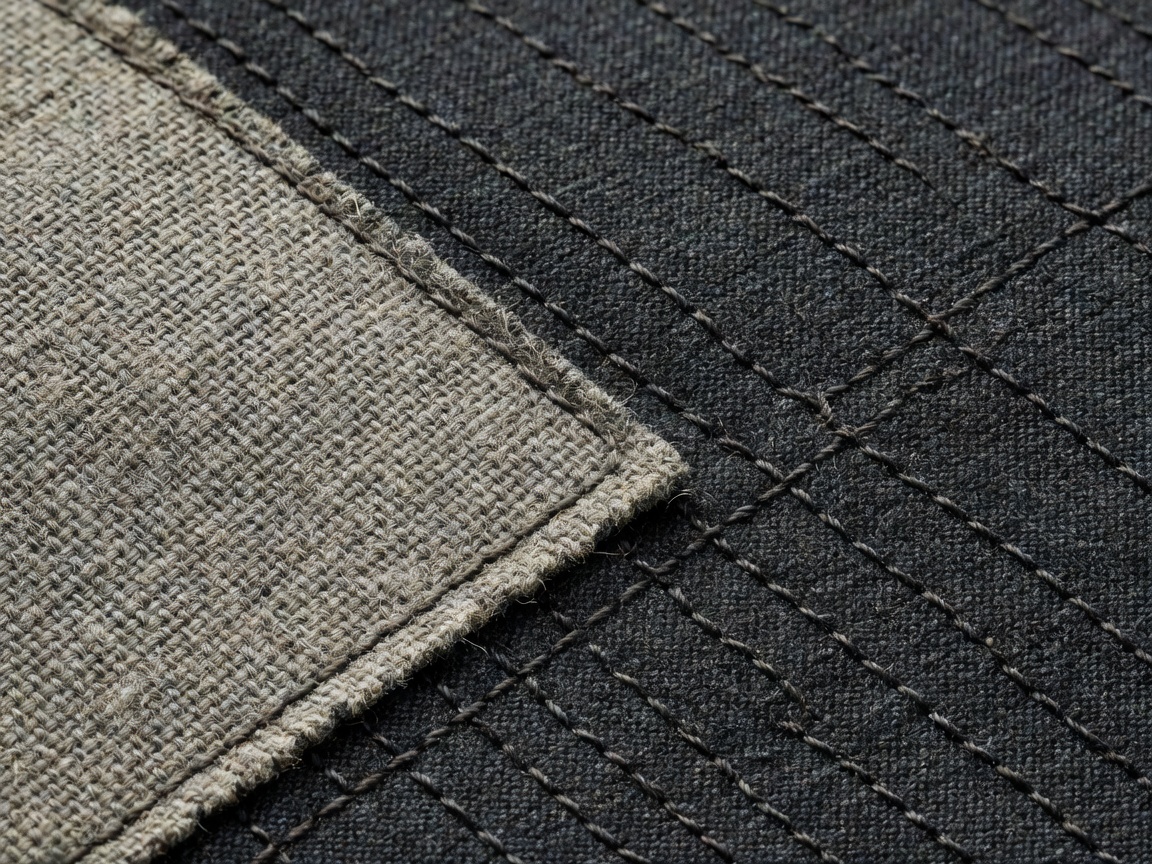
1. Internal Construction: Full Canvas, Half Canvas, and Fused
The core mechanism that gives a tailored coat its shape is the interlining situated between the outer wool shell and the inner silk or cupro lining. Historically, all tailoring utilized floating natural canvas made from horsehair, camel wool, and flax linen. The mid-twentieth century introduced chemical adhesive fusing to accelerate industrial output.
| Construction Method | Internal Materials | Lifespan Expectancy | Anatomical Conformance |
|---|---|---|---|
| Full Canvas (Floating) | Horsehair canvas pad-stitched across entire front panel down to hem. | 15 to 30+ Years (Re-moldable) | Exceptional; softens and contours to body heat and moisture over time. |
| Half Canvas | Canvas chest piece combined with lightweight heat-activated fusing below mid-torso. | 7 to 15 Years | High in the chest and lapels; clean drape with moderate production cost. |
| Fused (Glued) | Thermoplastic interlining heat-pressed directly to the reverse side of the wool. | 2 to 5 Years (Risk of bubbling) | Rigid; does not adapt to body shape; prone to delamination. |
The floating horsehair canvas allows the outer cloth to move independently. As natural fibers flex during wear, the stitches holding the canvas shift micro-fractions of a millimeter, preventing unnatural tension lines. Conversely, fused jackets bind the fabric fibers rigidly with synthetic adhesives, resulting in a flat chest, stiff lapel roll, and eventual delamination under the steam press.
2. Regional Silhouette Archetypes
Menswear tailoring has consolidated into three primary structural schools, each answering distinct climatic, cultural, and aesthetic demands:
The British Silhouette (Savile Row)
Characterized by structured rope shoulders (con rollino), a suppressed waistline, distinct chest canvas drape, and dual side vents. The look is formal, authoritative, and closely modeled after military riding coats.
The Neapolitan Silhouette (Southern Italian)
Defined by zero shoulder padding (spalla camicia), high armholes, soft floating canvas, barchetta (boat-shaped) chest pockets, and curved patch pockets. Designed for warmth, fluidity, and effortless nonchalance (sprezzatura).
The American Sack Coat Tradition
Historically championed by traditional American clothiers, the sack suit features un-darted front quarters, a natural soft shoulder without roping, a center hook vent, and a 3-roll-2 button stance where the top button is pressed over to remain decorative. It offers an easy, democratic drape accommodating varied body builds without excessive waist suppression.
3. Proportions, Balance, and Lapel Geometry
No matter the quality of cloth or construction, a suit fails if its fundamental balance is compromised. Jacket balance refers to the equilibrium between the front and rear hem lengths relative to the floor.
The Golden Rule of Jacket Length
A classic jacket must bisect the male silhouette evenly: the distance from the back collar seam to the jacket hem should equal the distance from the jacket hem to the floor. The hem should comfortably cover the curvature of the gluteus maximus without cutting across the thighs.
Lapel Width and Facial Proportions
Lapel widths cyclically swing between extreme extremes in fast-fashion cycles. Classical sartorial theory dictates that the midpoint of the lapel should measure between 8.5 cm and 9.5 cm (3.3 to 3.75 inches). This proportional sweet spot balances standard tie widths and aligns symmetrically with the mid-point of the shoulder seam, creating visual broadening of the chest.
4. Practical Selection Recommendations
When investing in formal suiting, prioritize full-canvas or robust half-canvas garments in medium-weight 280–320g/m wools. Inspect the lapel reverse for faint dimples (the signature of hand pad-stitching) and perform the "pinch test" below the lower buttonhole to confirm the presence of an independent floating canvas layer.