True sartorial mastery is expressed not through flamboyant ostentation, but through calculated subtlety. The accessories completing a suit—the necktie, pocket square, cufflinks, watch case, and belt—must neither compete for visual dominance nor look like a pre-packaged matching set.
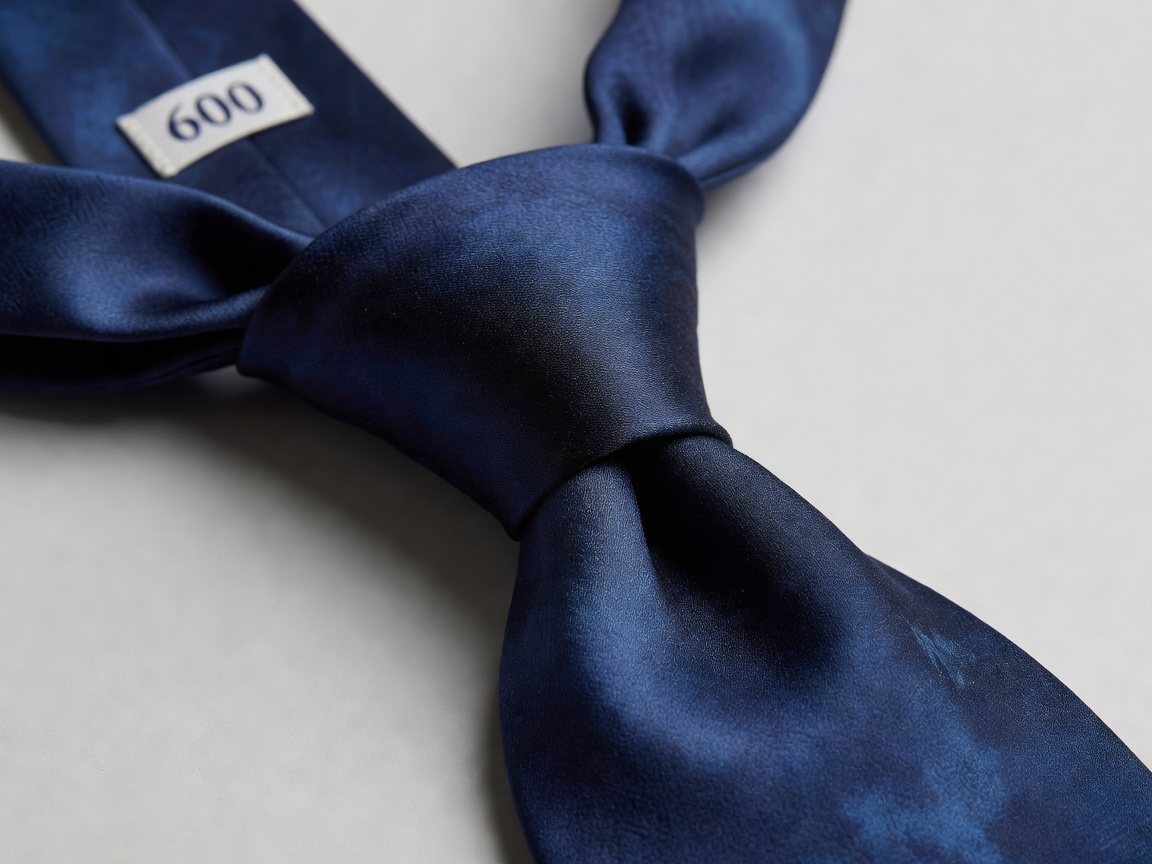
1. The Architecture of Neckwear: 7-Fold vs. 3-Fold
Traditional neckties contain an inner wool or synthetic interlining to supply body. By contrast, the artisanal pinnacle of neckwear is the unlined seven-fold tie (sette pieghe). Cut from a single continuous piece of heavy mulberry silk, the fabric is folded over itself seven times to create structural substance and draped fullness without artificial padding.
| Necktie Style | Internal Construction | Knot Behavior & Dimple | Best Formality Context |
|---|---|---|---|
| Seven-Fold Silk | Pure folded silk; unlined with hand-rolled perimeter hems. | Supple, fluid drape; creates a deep, sculptural center dimple. | Formal business, bespoke suiting, state events. |
| Grenadine (Garza Grossa) | Open Italian gauze weave over a pure wool interlining. | Substantial tactile texture; holds firm, crisp knots. | High-versatility; pairs with smooth worsteds and flannels. |
| Ancient Madder | Chalky hand-feel gum silk dyed with natural madder vats. | Rich, muted antique tones; understated luster. | Autumn tailoring, tweeds, sport coats, and blazers. |
2. The Cardinal Rule of Pocket Squares
The most pervasive error in menswear is purchasing a necktie and pocket square cut from the exact same patterned fabric swatch. A pocket square must complement, never duplicate, the neckwear.
The Correct Harmony
Extract a minor secondary or tertiary color from your shirt or jacket weave (e.g., pairing a white Irish linen square with a dark navy suit, or an ecru silk foulard with a green Donegal tweed coat).
The Novice Error
Wearing a matching glossy satin tie-and-square combo. This flattens visual interest, telegraphing synthetic, off-the-rack styling.
3. Metal & Leather Coordination Rules
Visual dissonance occurs when hardware metals or leather finishes clash abruptly across the torso:
The Metal Continuity Standard
Every visible metallic element must share the same tonal family: watch case (and buckle), cufflinks, belt buckle, tie bar, and collar pin. If your wristwatch is stainless steel or white gold, do not wear a polished yellow brass belt buckle or gold cufflinks.
Leather Calibration
Dress shoes, dress belts, and leather watch straps must align in color temperature. Smooth black calfskin shoes demand a black calfskin belt. Dark brown suede shoes demand a dark brown suede or matte brown calf belt. A slight tonal discrepancy in brown shades is acceptable provided both sit within the same warm or cool spectrum.
4. Knot Geometry: The Supremacy of the Four-in-Hand
Despite the prevalence of symmetrical knots like the Windsor or Half-Windsor, the asymmetrical Four-in-Hand (or Pratt knot for spread collars) remains the choice of sartorial purists. Its elongated, slightly off-center shape complements human facial asymmetry and sits cleanly under modern point and semi-spread shirt collars.