The drape of a suit or sport coat is fundamentally governed by the physics of the woven cloth. While consumers frequently fixate on the marketing terminology of "Super" numbers, professional tailors evaluate textile viability using three objective metrics: cloth weight per running meter, yarn ply twist, and the open or closed structure of the weave.
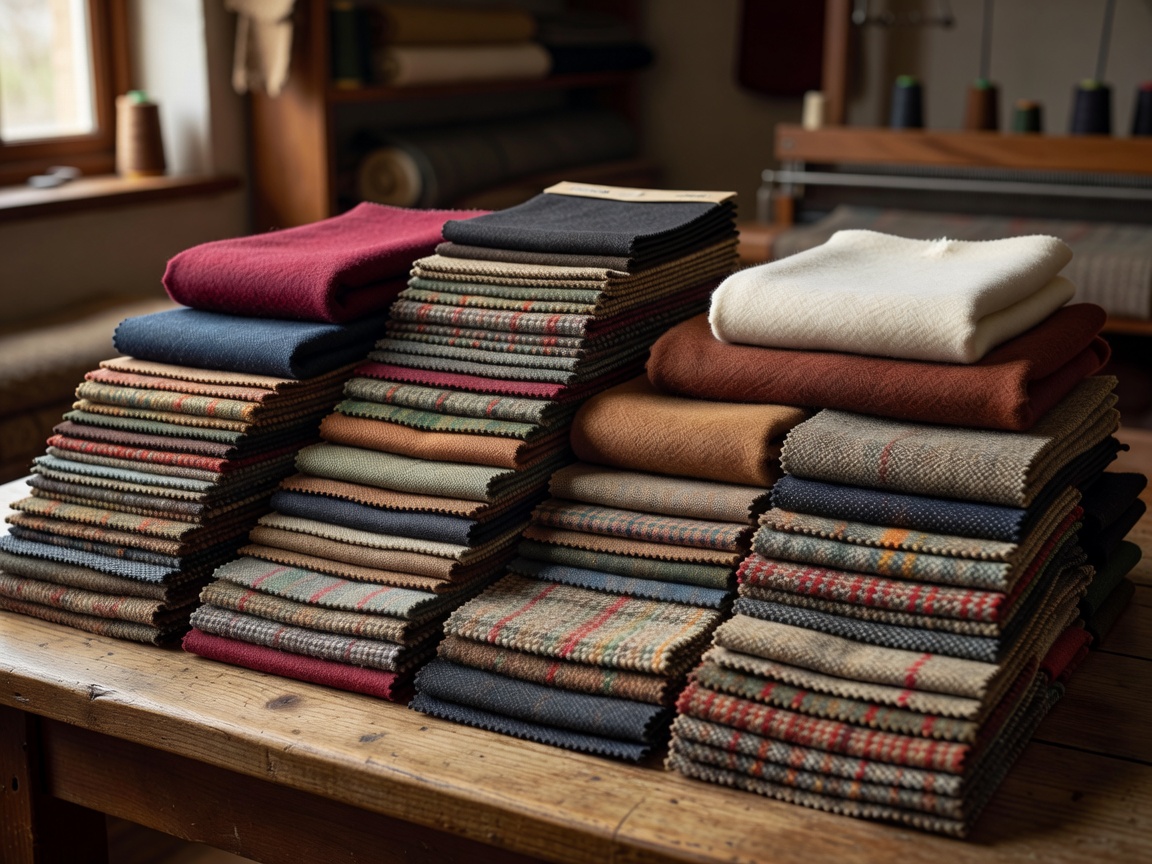
1. Deconstructing the "Super" System Myth
The International Wool Textile Organisation (IWTO) defines Super numbers based purely on the average maximum diameter of the wool fibers measured in microns:
- Super 100s: Fiber diameter approx. 18.75 microns. Durable, robust, highly resilient to daily abrasive wear.
- Super 120s–130s: Fiber diameter approx. 17.25–16.75 microns. The ideal equilibrium between luxurious tactile hand and everyday longevity.
- Super 150s–180s+: Fiber diameter below 15.5 microns. Extremely fine and silky, but fragile, prone to severe wrinkling, and vulnerable to friction wear.
The Tailor’s Reality Check
A higher Super number does NOT denote superior quality suiting cloth for regular wear. Ultra-fine wools lack tensile backbone and wrinkle rapidly. A 320g Super 110s worsted from a historic Yorkshire or Biella mill will dramatically out-drape and out-last a 220g Super 160s cloth.
2. Fabric Weight Classifications
Cloth weight is measured in grams per linear meter (or ounces per yard). Understanding weight ranges is vital for seasonal garment commissioning:
| Weight Category | Grams / Meter (Oz / Yd) | Seasonal Purpose | Characteristic Weaves |
|---|---|---|---|
| Tropical Lightweight | 210g – 250g (7–8.5 oz) | High Summer (Above 28°C / 82°F) | High-Twist Fresco, Open Hopsack, Linen-Silk blends. |
| Four-Season Midweight | 280g – 320g (9.5–11 oz) | Year-Round Temperate Climate | Worsted Twill, Sharkskin, Birdseye, Gabardine. |
| Heavyweight Winter | 360g – 480g+ (13–17 oz) | Late Autumn / Deep Winter | Woollen Flannel, Donegal Tweed, Heavy Cavalry Twill. |
3. Summer Performance: High-Twist Wool vs. Irish Linen
Managing heat and humidity without sacrificing structure requires specific textile engineering:
High-Twist Tropical Wool (Fresco)
Constructed by hard-twisting two or three worsted wool yarns together before weaving in a porous, open grid. The high torsion creates exceptional natural wrinkle resistance and permits ambient airflow directly through the suiting shell.
Heavy Irish Linen (300g+)
Spun from the bast fibers of the flax plant. Pure linen conducts heat away from the skin instantly. While lightweight linen crumples into unsightly small creases, heavy Irish linen drapes with sculptural, elegant rolls.
4. Winter Armor: Flannel, Tweed, and Cashmere Blends
Winter suiting achieves warmth through loft and trapped air rather than dense synthetic padding. Woollen flannel is crafted by carding shorter wool fibers to create a brushed, napped surface that captures heat while offering exceptional visual depth and softness when paired with knitwear.